
Can Dental Cleanings Improve Bad Breath?
Bad breath can feel embarrassing in close meetings, family events, or even casual talks with friends. Mouthwash and mints may hide it for a short time, but they do not address the source.
The good news is that professional dental care can make a real difference. Many patients look into dental cleanings in Phoenix AZ, after they notice that daily brushing no longer keeps breath fresh. A cleaning does much more than polish teeth. It targets the bacteria, plaque, and gum issues that drive stubborn odor.
In this guide, you will see how cleanings help, what to expect at your visit, and which signs point to a bigger concern.
Why Bad Breath Happens in the First Place
Bad breath, or halitosis, starts with bacteria in your mouth. These bacteria break down food left in your mouth and create sulfur compounds that lead to odor. The result is a strong odor that brushing alone may not control.
Common causes include:
- Plaque and tartar around teeth and gums
- Food debris stuck between teeth
- Coated tongue, especially toward the back
- Dry mouth from medications, mouth breathing, or low water intake
- Gum disease, where the tissues around your teeth become inflamed
In some cases, sinus problems, stomach issues, or certain medical conditions can add to the smell. This is why a full exam with a dentist matters. A search for a dentist near me is often the first step when home care does not solve the issue.
How Dental Cleanings Help Reduce Bad Breath
A professional cleaning reaches places your toothbrush and floss miss. Plaque builds up along the gumline. When it hardens into tartar, no brush can remove it at home. Bacteria thrive on this rough surface and create strong odors.
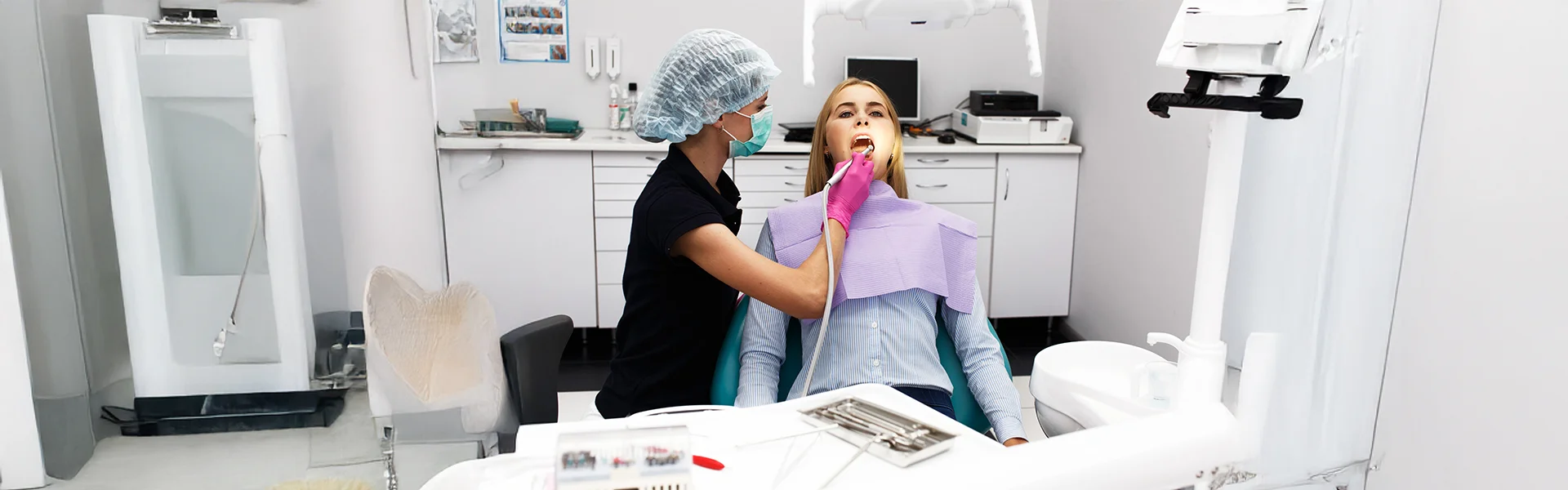
During a cleaning, your hygienist removes plaque and tartar from teeth and just under the gums. This reduces the number of bacteria and the compounds they release. Your gums can heal, and your breath improves as inflammation drops.
Polishing smooths the enamel so new plaque has less grip. Your hygienist also reviews your brushing and flossing technique. This helps you keep your mouth cleaner between visits, which supports fresher breath over time.
What Happens During a Professional Cleaning
Many patients feel more at ease when they know each step in advance. When you schedule a dental cleaning near me, you can expect a visit that follows a clear flow:
- Review and Exam – Your dentist or hygienist asks about your health, medications, and breathing concerns. They check your teeth, tongue, and gums and may take X-rays if needed.
- Scaling (Plaque and Tartar Removal) – The hygienist removes tartar from the teeth and gumline with hand instruments or an ultrasonic scaler. Each tool reaches areas brushing cannot, helping your gums stay healthy. You may hear vibration or feel light pressure, but this part should stay comfortable.
- Polishing – A soft cup and polishing paste smooth the surface of each tooth. This step removes surface stains and leftover plaque.
- Flossing and Rinse – The hygienist flosses between your teeth and asks you to rinse to wash away debris.
- Home Care Guidance – You receive tips for brushing, flossing, and cleaning your tongue so you can manage odor at home.
Each part works toward a cleaner mouth, healthier gums, and fresher breath.
When Bad Breath Might Signal a Bigger Issue
Persistent bad breath is sometimes more than a simple hygiene problem. It can suggest:
- Gum disease, where bacteria break down gum tissue and bone
- Cavities that trap food and bacteria
- Failing fillings or crowns with gaps where debris collects
- Infections or abscesses in the mouth
- Dry mouth from certain drugs or health conditions
If you notice strong breath odor along with loose teeth, bleeding gums, pain, or swelling, call a dentist right away. Many patients in pain search for an emergency dentist near me when breathing changes come with sharp discomfort or facial swelling. That kind of change needs prompt care.
Your dentist may also suggest a visit with your physician if they suspect sinus, throat, or stomach causes.
At-Home Habits That Support Fresher Breath
Dental cleanings set the stage, but your daily routine keeps breath fresh between visits. A few simple habits can help:
- Brush twice a day with fluoride toothpaste.
- Slow down around the gumline so you can clean the areas where plaque collects.
- Floss once a day to clear food and buildup between teeth.
- Clean your tongue from back to front with a scraper or soft brush.
- Sip water throughout the day to reduce dry mouth and help keep oral tissues healthy.
- Limit tobacco, high-sugar snacks, and strong-smelling foods like garlic and onions.
- Replace your toothbrush every three months or after illness.
If you still notice a strong odor after a month of steady home care, schedule a checkup. A trusted dentist in Phoenix AZ, can look for hidden causes and build a plan with you.
Ready for Fresher Breath? Book Your Dental Cleaning Today
You do not have to live with constant worry about how your breath smells. Professional cleanings clear away plaque, tartar, and bacteria that home care cannot touch. Regular visits also protect your gums, support your general health, and give you space to ask questions about any changes you notice.
If you feel unsure where to begin, start with a routine checkup and cleaning. Share your breath concerns with the dental team so they can focus on the right areas and guide your home care. The right partner makes each step easier to manage.
On Ponite Dentistry is here to help you move from cover-up fixes to real, lasting freshness with care that respects your comfort and your time.
©2026 On Pointe Dentistry | Privacy Policy | Web Design, Digital Marketing & SEO By Adit
Stomadent LLC, Domestic Limited Liability Company
Business ID: 23522724
Principal Office Address: 2330 North 75th Ave. Suite 112, Phoenix, AZ 85035